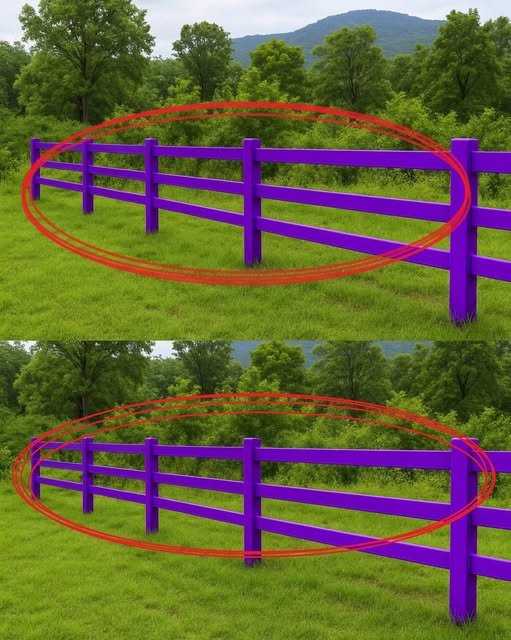
Exploring the outdoors often leads to unexpected and memorable discoveries. Whether it’s a hidden trail, an unfamiliar landscape, or an unusual landmark, these moments can spark curiosity and a desire to learn more. One such sight that frequently captures attention—especially in rural areas across the United States—is a fence, tree, or post marked with bright purple paint.
At first glance, many people assume this is simply a decorative choice. It may appear that a landowner selected a bold color to make their property stand out or to add a personal touch. However, the truth behind this distinctive marking is far more significant. A purple fence is not about aesthetics—it carries a clear and important message rooted in law and property rights.
Understanding the Meaning of Purple Paint
In many parts of the United States, purple paint serves as a legal indicator of private property. This practice is commonly referred to as the “Purple Paint Law.” Where it is recognized, it provides landowners with a simple yet effective way to communicate that entry onto their land is not permitted without permission.
Rather than relying solely on traditional “No Trespassing” signs, which can be damaged or removed, property owners use purple paint as a durable and highly visible alternative. When applied correctly, this marking holds the same legal weight as a posted sign in states where the law is in effect.