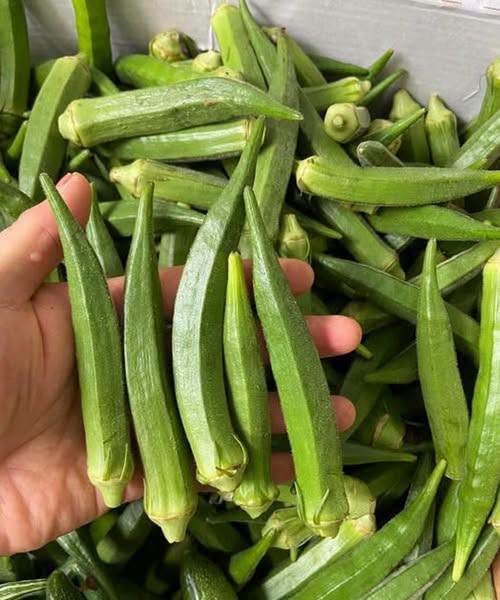
Okra is often overlooked as a slimy vegetable, but that slime is exactly why it is medicine for blood sugar. The mucilage in okra is a soluble fiber that forms a gel in your gut, slowing down carbohydrate absorption and preventing the sharp glucose spikes that lead to crashes and cravings.
This is not folklore. A study published in the Journal of Pharmacy & BioAllied Sciences showed that okra extract reduced fasting blood glucose by 20% in diabetic rats by inhibiting alpha-glucosidase, the enzyme that breaks down starch into sugar. Human trials show similar trends, with participants eating okra daily experiencing more stable post-meal glucose and improved insulin sensitivity.
Okra is also rich in polyphenols and flavonoids that reduce oxidative stress in pancreatic beta cells, the cells that make insulin. Less oxidative damage means better insulin production long term. The fiber feeds beneficial gut bacteria like Akkermansia, which is directly linked to better metabolic health and lower inflammation.
Beyond blood sugar, okra provides vitamin C, magnesium, and folate, supporting immune function and heart health. The mucilage also soothes the gut lining, helping with leaky gut and acid reflux.
How to use it right: eat 1 cup of fresh okra 4-5 times per week. Lightly steam, roast, or sauté, do not deep fry. For blood sugar, the best method is okra water: slice 4 pods, soak overnight in water, drink the water in morning on empty stomach. The slime is the medicine.
If you dislike texture, blend cooked okra into soups or stews where it thickens naturally. Pair with protein and healthy fat to further blunt glucose rise.
Caution: okra is high in oxalates and vitamin K. If you have kidney stones, are on warfarin, or have a history of calcium oxalate stones, talk to your doctor first and keep intake moderate. It can also lower blood sugar, so monitor levels if you take diabetes medication to avoid hypoglycemia.
Use consistently for 30 days and check your fasting glucose. Most people notice fewer energy crashes and less need for afternoon snacks by week two. This is food as gentle metabolic medicine.