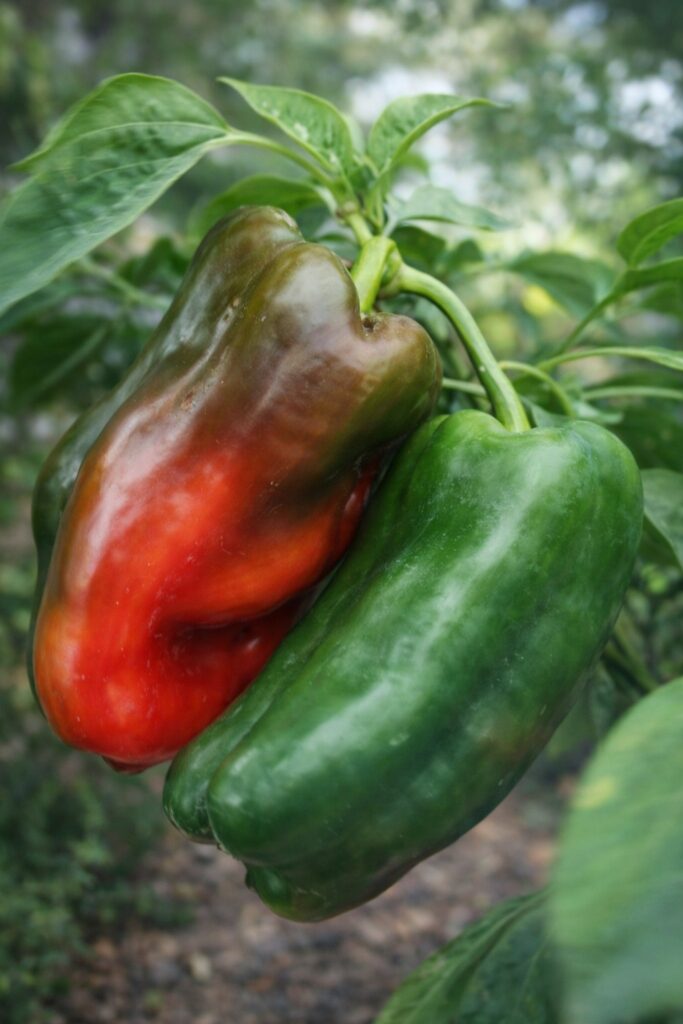
Bell peppers are a widely used vegetable in many cuisines, especially in Latin American and Spanish cooking. Their bright colors, firm texture, and distinct flavor make them a popular choice for a variety of dishes, including salads, stews, stir-fries, and stuffed meals. Available in red, green, and yellow varieties, each type offers slightly different taste profiles, adding both visual appeal and diversity to everyday meals.
Beyond their culinary value, bell peppers are appreciated for their nutritional content. They contain vitamins and antioxidant compounds that can support a balanced diet and help increase vegetable intake in a simple and enjoyable way. Their relatively low calorie content also makes them a good option for those looking to maintain lighter, healthier meals without sacrificing flavor or variety.
Another advantage of bell peppers is their versatility. They can be eaten raw for a crisp texture in salads or cooked in many ways, such as roasting, sautéing, or baking. This flexibility allows them to fit into different cooking styles and preferences, making them easy to include in daily meal planning.
However, bell peppers are not equally well tolerated by everyone. Some individuals may experience digestive discomfort, especially when consuming them raw. The skin can be harder to digest, leading to feelings of heaviness or irritation. In such cases, cooking the peppers or removing their skin can improve tolerance and make them easier on the digestive system.
Additionally, certain varieties may have a stronger or slightly bitter taste, which may not appeal to everyone. Choosing the right type of pepper and preparation method can help address this issue and make them more enjoyable.
In conclusion, bell peppers are a nutritious and adaptable vegetable that can enhance both the taste and appearance of meals. By adjusting preparation methods and portions according to personal tolerance, most people can enjoy their benefits comfortably as part of a balanced diet.