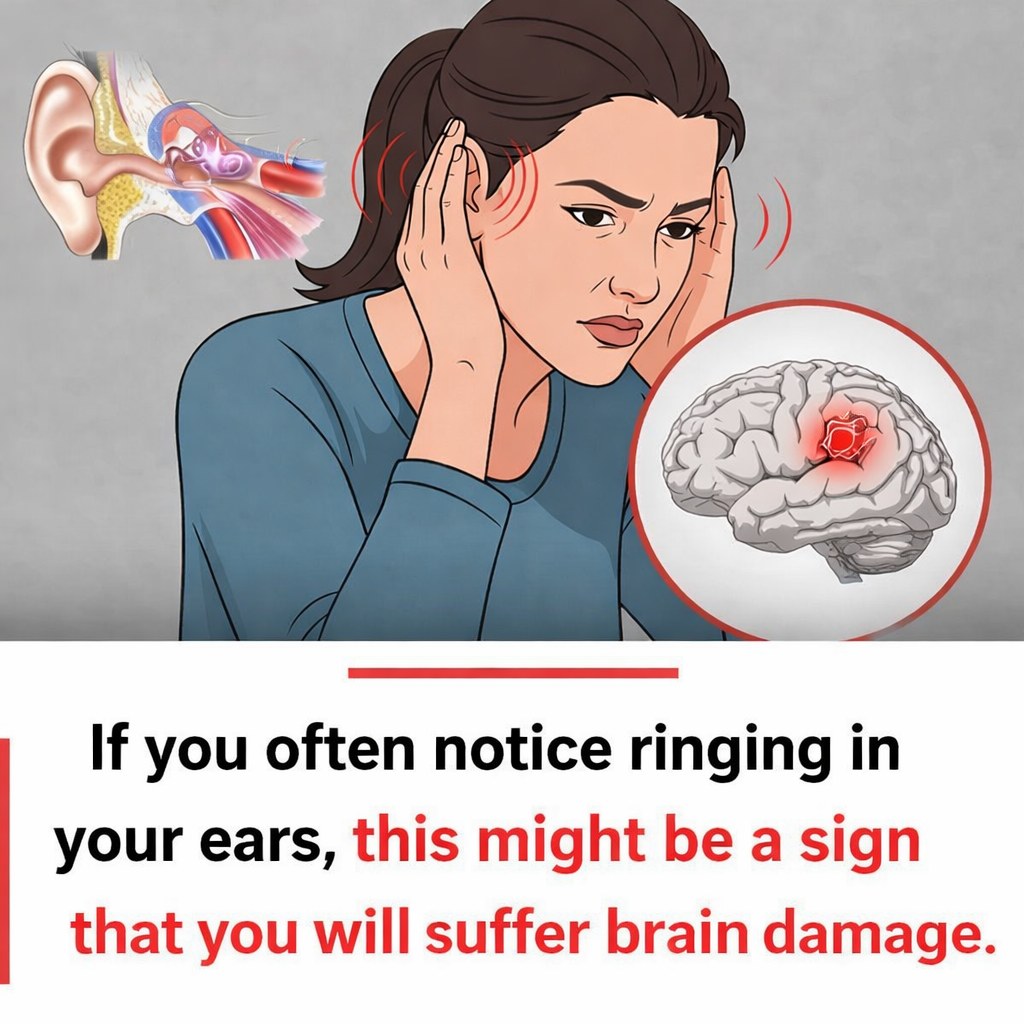
Ringing in the ears, known as tinnitus, is a common condition that many people experience at some point in their lives. While it can feel alarming, it is important to understand that tinnitus is not a disease itself, but rather a symptom of an underlying issue. In most cases, it is harmless and manageable, though it should not be completely ignored if it becomes persistent.
The most common causes of tinnitus are related to hearing. These include age-related hearing loss, exposure to loud noises, earwax buildup, or ear infections. Certain medications and even stress or lack of sleep can also contribute to the condition. Because of this, tinnitus often reflects everyday factors rather than serious illness.
Many online articles exaggerate the risks associated with tinnitus, claiming it is a sign of severe or future disease. However, there is no scientific evidence supporting these claims. Medical experts agree that while tinnitus can sometimes indicate a problem, it does not predict serious health conditions in most people.
That said, there are situations where tinnitus should be taken more seriously. If the ringing is constant, occurs in only one ear, or is accompanied by symptoms like dizziness, hearing loss, or headaches, it is important to seek medical advice. These signs may indicate a more complex issue that needs attention.
Tinnitus occurs because the brain tries to compensate for missing or disrupted sound signals. This is why people often describe it as ringing, buzzing, or hissing. Certain habits, such as listening to loud music, consuming too much caffeine, or experiencing high stress, can make symptoms worse.
Overall, tinnitus is usually not dangerous, but awareness is key. Protecting your hearing, managing stress, and maintaining healthy habits can help reduce its impact. If symptoms are unusual or persistent, consulting a doctor is the best way to ensure proper care and peace of mind.