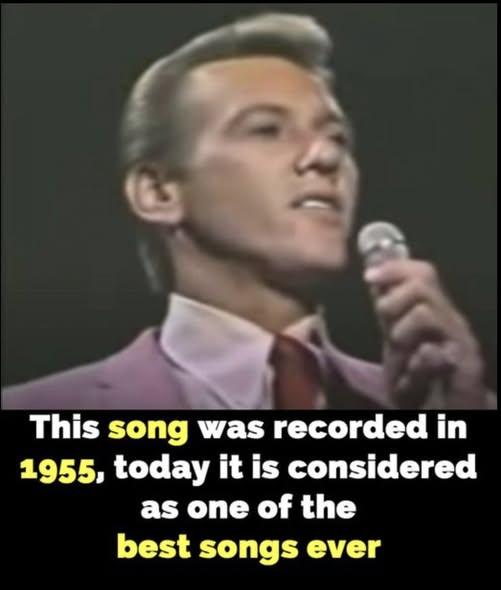
Written by Alex North and Hy Zaret in 1955, Unchained Melody has become one of the most enduring and recognizable songs in modern music history, captivating listeners across generations.
The song was originally composed for the prison film Unchained, where it served as a central musical theme, reflecting longing, separation, and emotional vulnerability experienced by the characters within the story.
The first recorded version of the song was performed by Todd Duncan, whose rich and expressive voice introduced audiences to the composition’s emotional depth and lyrical beauty.
Following its release, the song quickly attracted attention from other artists, leading to numerous interpretations that showcased its versatility across different musical styles, arrangements, and vocal approaches.
Despite the many versions recorded, it was the 1965 rendition by The Righteous Brothers that brought the song widespread international recognition and lasting commercial success.
Their version, featuring lead vocals by Bobby Hatfield, is widely regarded as the definitive interpretation due to its powerful delivery and emotionally charged performance.
Interestingly, the recording is often associated with producer Phil Spector, although he did not actually produce that particular track, which has led to some historical confusion.
The arrangement of the 1965 version allows Hatfield’s voice to take center stage, gradually building in intensity and culminating in soaring high notes that leave a lasting impression on listeners.
Over time, the popularity of Unchained Melody has been reinforced by its use in films, television programs, and public performances, introducing it to new audiences in different contexts.
One of the most notable revivals occurred after its inclusion in the film Ghost, which helped reintroduce the song to a new generation and significantly boosted its popularity once again.
The emotional scene in the film, combined with the song’s haunting melody, contributed to a resurgence in chart success and renewed cultural relevance
These live renditions showcased Elvis’s ability to interpret songs in a unique and personal way, bringing new emotional layers to an already powerful composition.
Fans and critics alike have praised his version for its sincerity and intensity, particularly given the context of his later career and the challenges he was facing at the time.
Through his performances, Elvis helped introduce the song to audiences who may not have been familiar with earlier versions, expanding its reach even further.
The continued popularity of both The Righteous Brothers’ recording and Elvis Presley’s performances demonstrates the song’s remarkable longevity and adaptability.
In the digital age, Unchained Melody has continued to find new audiences through online platforms, where videos of performances regularly attract millions of views.
Listeners often comment on the emotional impact of the song, noting how its powerful vocals and timeless themes evoke strong personal reactions and memories.
The ability of the song to elicit such responses speaks to the strength of its composition, which combines a memorable melody with deeply relatable lyrics.
Musically, the structure of Unchained Melody allows for dynamic interpretation, giving artists the freedom to emphasize different emotional nuances in their performances.
This flexibility has contributed to its status as a favorite choice for singers seeking to showcase their vocal range and expressive capabilities.