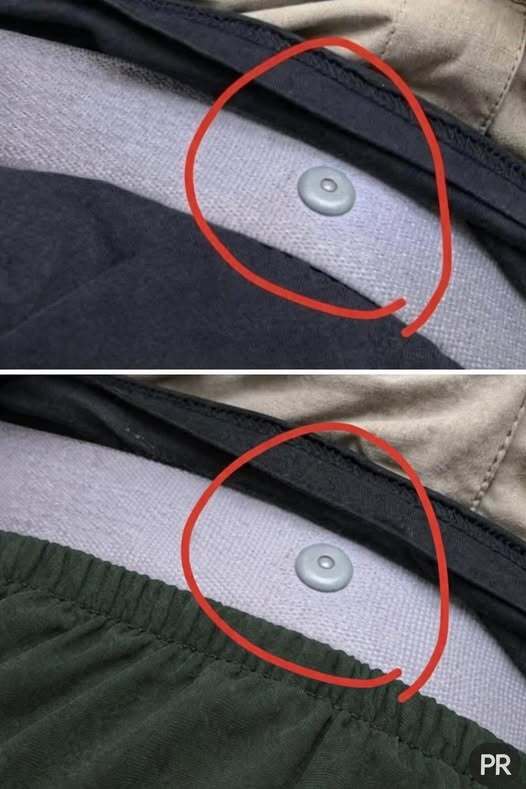
Fastening your seat belt is one of those actions that has become so automatic that it rarely receives any real attention. You sit down, pull the strap across your body, hear the familiar click, and move on without thinking twice. Yet behind that simple motion lies a carefully engineered system designed to protect you in fractions of a second when it matters most. Every component of a seat belt, from the buckle to the retracting mechanism, serves a specific purpose. Even the smallest details—those that are easy to overlook—play an essential role in ensuring that the entire system functions correctly. One such detail is the small round button found on the shoulder strap, a feature many people notice but few truly understand
At first glance, this button might appear to be nothing more than a minor addition, perhaps even decorative. It blends into the belt so naturally that it rarely draws attention unless someone looks closely. However, its presence is intentional and functional. This small piece is often referred to as a stopper or guide, and its role is to help maintain the proper position of the seat belt when it is not in use and when it is being worn. Without it, the metal latch plate—the part you click into the buckle—could slide too far down the belt, making it inconvenient to reach and potentially altering how the belt sits when fastened. While this might seem like a small inconvenience, it can have larger implications for both comfort and safety.
The positioning of a seat belt is one of the most critical factors in its effectiveness. For a seat belt to protect you properly, it must sit across the strongest parts of your body. The shoulder strap should rest diagonally across your chest and shoulder, avoiding the neck, while the lap belt should lie snugly across your hips rather than your abdomen. This alignment ensures that, in the event of a sudden stop or collision, the force is distributed across areas of the body that can better absorb impact. The stopper helps maintain this alignment by preventing unnecessary shifting of the belt, keeping it ready to sit correctly each time you use it.
When a seat belt is not positioned correctly, the risks increase significantly. A strap that rides too close to the neck can cause injury during a collision, while a lap belt that sits too high on the stomach can lead to internal injuries. These are not hypothetical concerns—they are well-documented outcomes of improper seat belt use. The small button on the strap contributes to reducing these risks by supporting consistent positioning. It may not actively hold the belt against your body, but it plays a role in ensuring that the belt starts from the right place, making it easier to wear correctly every time.
Comfort is another important aspect of seat belt design, and it is closely linked to safety. If a seat belt feels awkward or uncomfortable, people are more likely to adjust it in ways that reduce its effectiveness. Some may pull it away from their neck and tuck it under their arm, while others might let it sit loosely rather than snugly against their body. These adjustments may provide temporary comfort but can significantly reduce protection during an accident. By helping keep the belt in a consistent and natural position, the stopper contributes to a more comfortable fit, encouraging proper use without the need for unsafe adjustments.
Modern vehicles are equipped with advanced safety systems that work together with seat belts to provide maximum protection. One such system is the pretensioner, which activates during a collision to tighten the seat belt instantly. This reduces slack and helps keep the occupant securely in place, minimizing forward movement. For pretensioners to work effectively, the seat belt must already be positioned correctly. The stopper plays a supporting role in this process by ensuring that the belt remains aligned and ready to function as intended. It is a small but important part of a larger network of safety features designed to protect passengers.
In addition to pretensioners, seat belts also work in conjunction with airbags. While airbags provide cushioning during a collision, they are designed to work alongside seat belts, not replace them. The seat belt holds the occupant in the correct position so that the airbag can deploy safely and effectively. If the seat belt is misaligned, the timing and positioning of the airbag may not provide the intended level of protection. Once again, the small stopper contributes indirectly by helping maintain the proper alignment of the belt, ensuring that all safety systems can work together seamlessly.
Another function of the stopper is convenience. By preventing the latch plate from sliding too far down the strap, it keeps the buckle within easy reach. This may seem like a minor benefit, but it enhances usability, especially in situations where quick access is important. For example, when entering or exiting a vehicle frequently, having the latch plate in a consistent position saves time and reduces frustration. This small detail reflects a broader principle in design: making safety features easy to use increases the likelihood that people will use them correctly.
Comfort is another important aspect of seat belt design, and it is closely linked to safety. If a seat belt feels awkward or uncomfortable, people are more likely to adjust it in ways that reduce its effectiveness. Some may pull it away from their neck and tuck it under their arm, while others might let it sit loosely rather than snugly against their body. These adjustments may provide temporary comfort but can significantly reduce protection during an accident. By helping keep the belt in a consistent and natural position, the stopper contributes to a more comfortable fit, encouraging proper use without the need for unsafe adjustments.
Modern vehicles are equipped with advanced safety systems that work together with seat belts to provide maximum protection. One such system is the pretensioner, which activates during a collision to tighten the seat belt instantly. This reduces slack and helps keep the occupant securely in place, minimizing forward movement. For pretensioners to work effectively, the seat belt must already be positioned correctly. The stopper plays a supporting role in this process by ensuring that the belt remains aligned and ready to function as intended. It is a small but important part of a larger network of safety features designed to protect passengers.
In addition to pretensioners, seat belts also work in conjunction with airbags. While airbags provide cushioning during a collision, they are designed to work alongside seat belts, not replace them. The seat belt holds the occupant in the correct position so that the airbag can deploy safely and effectively. If the seat belt is misaligned, the timing and positioning of the airbag may not provide the intended level of protection. Once again, the small stopper contributes indirectly by helping maintain the proper alignment of the belt, ensuring that all safety systems can work together seamlessly.
Another function of the stopper is convenience. By preventing the latch plate from sliding too far down the strap, it keeps the buckle within easy reach. This may seem like a minor benefit, but it enhances usability, especially in situations where quick access is important. For example, when entering or exiting a vehicle frequently, having the latch plate in a consistent position saves time and reduces frustration. This small detail reflects a broader principle in design: making safety features easy to use increases the likelihood that people will use them correctly.
As vehicles continue to evolve with new technologies and features, the fundamental principles of safety remain the same. Proper positioning, secure restraint, and reliable performance are all essential elements of occupant protection. The seat belt, despite being one of the oldest safety features in modern vehicles, continues to be one of the most effective. Its design has been refined over decades, incorporating improvements that enhance both safety and usability. The inclusion of features like the stopper reflects this ongoing process of refinement.
In the end, the next time you fasten your seat belt, it may be worth taking a moment to notice the small details that make it work. That round button on the shoulder strap is not just a random addition—it is part of a carefully designed system that prioritizes your safety. While it may not draw attention or seem significant, it plays a role in ensuring that the belt fits correctly, feels comfortable, and functions as intended. It is a reminder that safety is often built on details that go unnoticed, working quietly in the background to protect you every time you get behind the wheel.
By paying attention to these details and maintaining your vehicle’s safety systems, you can help ensure that they continue to perform at their best. Regular checks, proper adjustments, and timely repairs all contribute to a safer driving experience. Ultimately, it is not just about the presence of safety features, but about how well they are used and maintained. And sometimes, the smallest components—like that simple button on your seat belt—can make a meaningful difference in keeping you safe.