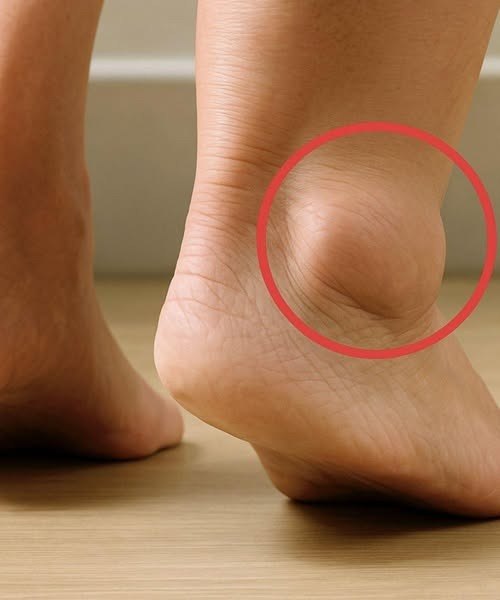
Swollen feet are a common issue among older adults. While mild swelling can occur after long periods of sitting or standing, frequent or persistent swelling may signal underlying health concerns. Understanding causes and prevention can help maintain comfort and mobility.
This condition, known as edema, happens when excess fluid collects in the tissues of the lower legs and feet. Aging can reduce circulation efficiency, making fluid retention more likely. Slower blood flow allows fluid to pool, causing visible swelling and discomfort.
Poor circulation is a frequent cause, especially for those who remain seated or standing for long periods. Chronic venous insufficiency, where leg veins struggle to return blood to the heart, can also lead to swelling, discomfort, and skin changes around the ankles.
Medications may contribute as well. Drugs for high blood pressure, diabetes, or inflammation can promote fluid retention. In some cases, swollen feet may indicate serious conditions such as heart, kidney, or liver disease.
Lifestyle habits influence swelling too. Limited physical activity slows circulation, while long periods of sitting, like during travel, can worsen fluid buildup. Diet plays a role, as high sodium intake encourages the body to retain water, increasing swelling in the feet and ankles.
Prevention strategies are often simple but effective. Regular movement, elevating the feet, and wearing supportive shoes can improve circulation. Compression socks may also help reduce fluid accumulation.
Dietary adjustments can support healthy fluid balance. Reducing sodium while including potassium-rich foods can help the body manage fluids more effectively, easing swelling and promoting overall well-being.
By combining activity, supportive footwear, and mindful nutrition, older adults can manage or prevent swelling in the feet and ankles. These steps help maintain comfort, mobility, and a healthier lifestyle as the body ages.