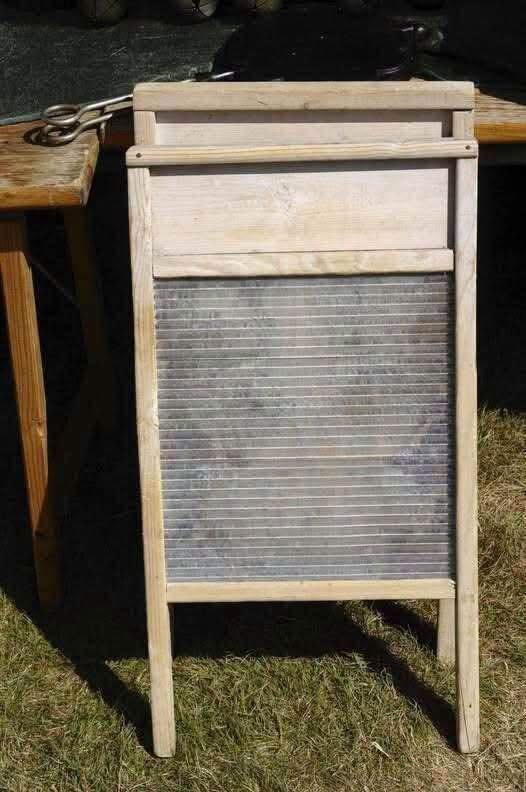
At first glance, it looked like nothing more than astrange, rusty metal machine sitting among dustypicture frames, broken dishes, and forgotten tools at acrowded yard sale. Most people walked past withoutnoticing it. Others stopped briefly, wondering whatpurpose such an unusual contraption could possiblyserve. Yet for older generations, it brought backmemories of a completely different way of life.
The mysterious object was an old-fashioned laundrywringer, a household tool that once played an essentialrole in homes across America and many other parts ofthe world. Before modern washing machines and electricdryers became common, doing laundry was anexhausting responsibility that required hours of physicalwork. This simple machine helped make one of thehardest household chores slightly easier.
In the late nineteenth and early twentieth centuries,laundry day was a major undertaking. Clothes weresoaked, scrubbed by hand, boiled in large tubs, andrinsed several times. Once clean, they had to besqueezed before being hung outside to dry. The wringeraccomplished this by pulling wet clothing between twoheavy rollers, forcing excess water out of the fabric