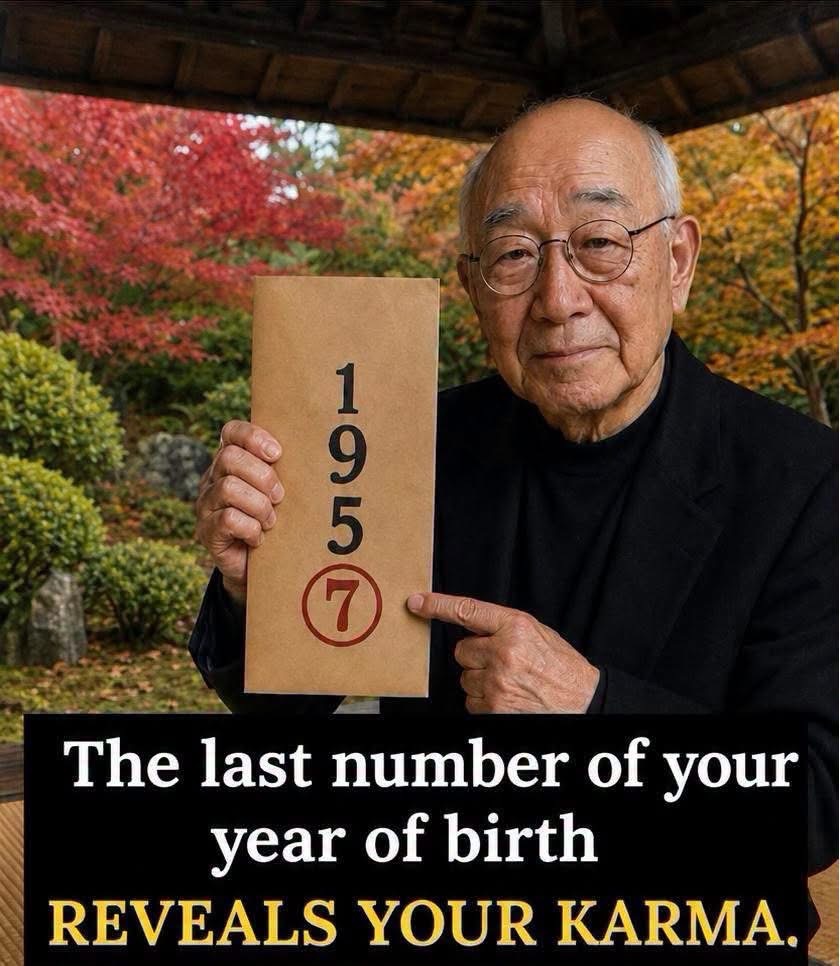
Whether you view it as a lighthearted numerology idea or simply a coincidence, there’s a reason this kind of trend continues to circulate and stay popular. It gives people a simple and approachable way to reflect on personality traits, habits, and emotional patterns that they might not usually stop to think about in everyday life.
At its core, it isn’t really about predicting your destiny or placing you into a strict category. Instead, it becomes a prompt—a small psychological mirror that encourages self-reflection in a way that feels easy and even entertaining. People often find themselves recognizing pieces of their own behavior in these descriptions, sometimes more clearly than they expected.
For example, someone who identifies with the number 4 is often described as structured, dependable, and disciplined. When reading this, they might suddenly understand why they feel so responsible in group settings, or why they struggle to relax when things feel unfinished. What once seemed like simple personality habits may start to feel like long-standing patterns that shape how they move through life. Instead of seeing themselves only as “the reliable one,” they may begin to notice how much pressure they quietly carry in order to maintain that role.