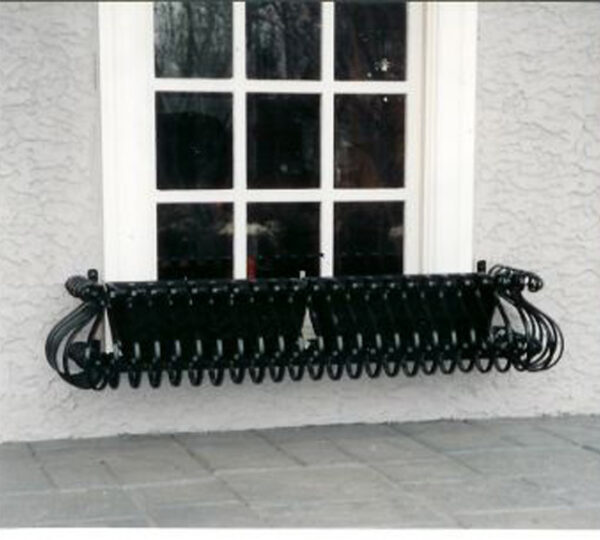
Have you ever noticed window bars that aren’t completely flat, but instead seem to bulge outward slightly? The design may look curious, but it often serves more than one purpose beyond mere aesthetics.
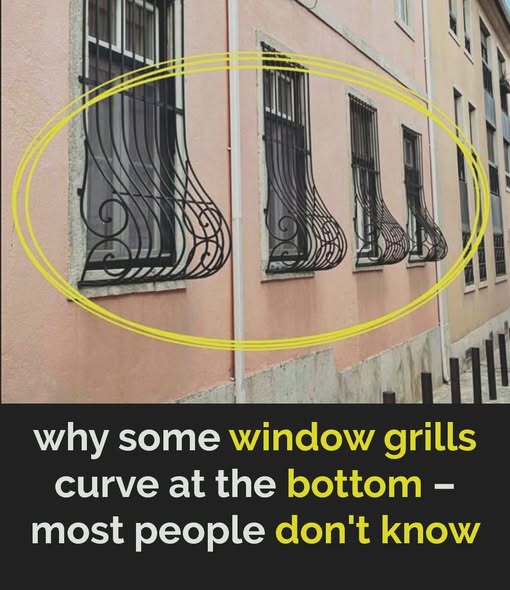
Window bars have been used for many centuries around the world as a means to enhance security and prevent unauthorized entry into homes, apartments, and commercial buildings.
Their presence signals both protection and architectural character. Traditionally, window bars were installed mainly to deter intruders by creating a physical barrier that is difficult to bypass. When properly installed, they can significantly reduce the risk of break‑ins through windows.
Although many people assume all window bars look the same, that’s not true. Among the various designs available, some feature a prominent “potbelly” or bulging shape that sets them apart from standard straight bars.
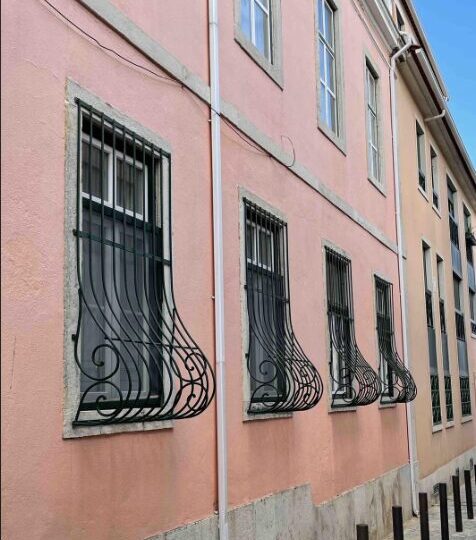
This design element is not simply decorative. In many residential and urban settings, potbelly window bars serve practical purposes while also contributing to the overall visual appeal of a building’s façade.
To understand why these bulges matter, it helps to look first at the history of window bars and how they evolved to meet both security and functional needs in homes and businesses alike.
Early window bars were often simple vertical or horizontal metal rods, usually made of wrought iron or steel. Their primary concern was strength, durability, and resistance to cutting or bending.
Over time, as architectural styles developed and building needs diversified, designers began to adapt window bars with shapes and forms that better fit the evolving needs of homeowners and commercial builders.
One of the most recognizable adaptations is the “potbelly,” a slight outward bulge in each bar that creates extra space between the bar and the glass. This feature eventually became both functional and stylistic.
The term “potbelly” comes from its resemblance to a rounded midsection — like the belly of a pot — that curves outward before tapering again between supports at the top and bottom.
One of the most common practical uses for window bars with potbellies is supporting flower boxes. The outward flare provides a natural ledge where planters can rest securely without additional hardware
Imagine a quiet residential street lined with homes that have window boxes overflowing with colorful blooms — red geraniums, fragrant lavender, and cascading ivy. Potbelly bars create just enough surface for those planters to sit safely.
For many homeowners, combining security with beauty is a top priority. Potbellied window bars make it easier to add greenery to windows without removing or modifying the bars themselves.
This design also helps prevent flower boxes from pinching the window frame or obstructing sash movement, which can occur with straight‑bar configurations that sit flush against the glass.
Another practical application for potbelly window bars is creating space for air conditioning units. In older homes without interior cooling systems, window air conditioners are often placed in the window jamb.
Because air conditioners need to be stable, balanced, and partially outside the home for ventilation, the bulge created by potbelly bars provides a helpful extra bit of room for these units to fit safely.
This added space enables homeowners to keep security bars in place without sacrificing the ability to cool their living spaces during hot summer months. In many urban buildings, removing bars simply isn’t an option.
In apartments and multi‑unit buildings, property managers often prefer solution‑oriented hardware that maintains safety standards while accommodating practical needs like air conditioning installation.
Potbelly bars serve that dual role elegantly; they offer sufficient clearance for equipment while preserving the core purpose of keeping windows secured against intrusion.
In addition to plant boxes and air conditioning units, some residents use the space created by potbelly bars for hanging wind chimes, bird feeders, or even small seasonal decorations, further enhancing the look of their home’s exterior.
Beyond these practical uses, potbelly bars can also add visual interest to a building’s design. Curved lines and shapes often soften the rigid appearance of standard bars, complementing a wide range of architectural styles.
They can be found in traditional, Mediterranean, colonial, and modern urban homes, blending functionality with architectural nuance that doesn’t compromise the building’s overall aesthetic.
If you’re considering installing window bars with potbellies for your home, there are several sources where you can find them, both in‑person and online.
Local hardware stores and home improvement centers often carry a variety of security bars, including those with bulged designs, in different sizes and finishes to suit varied window dimensions and architectural themes.
Retailers like Home Depot, Lowe’s, and regional ironworks shops typically offer both stock options and custom fabrication, allowing homeowners to match finish, color, and style preferences.
In addition to brick‑and‑mortar stores, many online retailers specialize in security hardware, including potbelly window bars. These platforms often feature detailed product descriptions, buyer reviews, and comparison tools.